Building Wealth

For the first 30 or so years of working, saving and investing, you’ll be first in the mode of getting out of the hole (paying down debt), and then building your net worth (that’s wealth accumulation.). But don’t forget, wealth accumulation isn’t the ultimate goal. Decumulation is! (a separate category here at the Hub).

Investment Fees Are Costing You Way More Than You Think … Here’s Why

vitatv_big_left-150x150
Vita Nelson

 By Vita Nelson, Editor and Publisher of Moneypaper’s Guide to Direct Investment Plans

Special to the Financial Independence Hub

You may not give much thought to the investment fees you pay. That’s because they seem so small. Right?

According to an October, 2014 survey by investment management firm Rebalance IRA, many Americans incorrectly believe they pay no fees in their retirement accounts. Among baby boomers between ages 50 and 68, all with full-time jobs, “forty-six per cent believed they paid nothing, and 19 per cent were under the impression that their fees totaled less than 0.5 per cent.” (In fact, research reveals that actual expenses average 1.5 per cent of their assets per year every year.)

Chances are that fees are costing you much more than you realize! Why?

Because the fee itself isn’t the real culprit. The real killer is the opportunity cost of not investing the money you’re spending on fees. That’s why John Bogle, founder of Vanguard, calls investment fees the “tyranny of compounding costs” in a recent Forbes interview.

The real cost of investment fees is the value of the shares you never bought, and how much those shares would have increased your wealth over the long term. That is, you’ve lost the compounding effect of owning those shares: the dividends that would have been paid to you on the shares and the compounding effect on those dividends. Continue Reading…

Are Your Elderly Parents Easy Targets For Financial Scammers?

MarieEngen
Marie Engen, Boomer & Echo

By Marie Engen, Boomer & Echo

I was visiting my parents at the retirement home and prominently displayed on the elevator was a sign warning the residents not to give out personal information on the phone to people claiming to be from the bank, credit card company, or the government.
I find it bizarre that the same old scams keep cropping up time and time again, but they do because they work. 

Older adults are particularly susceptible to financial scams, but the crimes often go unreported because they are embarrassed or don’t even realize they are being scammed.  Also, elderly victims my not report crimes because they may be concerned that their relatives may think they no longer have the capacity to handle their own affairs. Their trusting nature may be their biggest liability.

Are your elderly parents easy prey? How do you protect them from becoming victims? Here are some signs to watch for:

  1. They claim to have won a prize

Ask whether they had to pay anything to claim their winnings. Typically scammers tell victims they have to make some kind of payment – taxes or shipping – in order to get their prize. Or, they may have to agree to some sort or demonstration, e.g. vacuum cleaner, to claim their prize. Then they are pressured into a sale.

Let your parents know that legitimate sweepstakes don’t require any initial payment – or, especially, a bank account or credit card number. And, say “No, thanks” to the demo offer.

  1. They go to “free meal” financial seminars

These seminars target seniors through mailings – and even their church or club – and offer gourmet meals, expert advice and “risk free investment opportunities” with “guaranteed” returns. The food and tips may be free but people who are persuaded to buy these investments end up paying a big price with their unsuitable or risky investment products.

Financial scams are devastating to older adults. It’s not just the wealthy that are targeted and it’s not always strangers who perpetrate them. Especially vulnerable are older widows who may not have had much experience in managing their finances.

  1. They offer personal information over the phone

Watch for signs that they are giving out personal information such as bank account and credit card numbers, and social insurance numbers.

Be aware of things they are buying over the phone, such as low cost prescriptions, funeral services, reverse mortgages. Some scammers promise to provide credit card or identity theft protection. Watch for pledges to donate money, especially automatic withdrawals.

Once information is given out to one scammer it might be shared with others, sometimes defrauding the same person repeatedly.

To help your parents avoid telemarketing scams you can register their phone number on the National Do Not Call Registry, although this is not always successful.

Talk frankly with your parents about common scams and tell them to hang up on anyone calling who isn’t a friend or family member.

Marie Engen is the “Boomer” half of Boomer & Echo. In addition to being co-author of the website, Marie is a fee-only financial planner based in Kelowna, B.C. This article originally ran on the site on July 28th and is republished here with permission.


Motley Fool co-founder launches new Rule Breaker podcast

Motley-Fool-podcast
David Gardner’s new podcast

As was announced here recently, Motley Fool co-founder David Gardner has launched a new weekly financial podcast called Rule Breaker Investing.

I’ve long been a fan of Chris Hill’s weekly Motley Fool Money podcast, which generally runs close to 40 minutes and makes a nice weekend catchup on the financial week just past. He also spearheads a shorter podcast called Market Foolery, which runs Monday to Thursday. (Full disclosure, I once appeared on that podcast and also write for Motley Fool Canada).

Identifying the “lead” dogs

Continue Reading…

Building Your Financial “Stop Doing” List. Part 1: Stop feeding on Junk Media

SL Picture - Full Colour
Steve Lowrie

By Steve Lowrie, Lowrie Financial

Special to the Financial Independence Hub

This month’s financial “STOP Doing” advice is inspired by the events in Europe, with Greece at Ground Zero. I wish I could tell you how it’s all going to play out or, better yet, promise you a happy ending, sooner than later.

Unfortunately, I can’t do that. Time alone will tell. The understandable craving to maintain control over your personal and financial well-being may leave you scanning the popular media’s headlines, searching for tidbits on how to protect yourself from the unfolding uncertainty. That’s why this is an excellent time to repeat a theme I’ve covered before: STOP feeding on junk media.

The Media Can’t Protect You from Volatile Markets

As I described in an April 2014 post, “Here’s why you should ignore the [popular] financial media … While I could recommend many things, I think the most important point for everyone to remember is that it is a myth that today’s headline news has a direct effect on the financial markets.”

This point can be hard to wrap your head around. It seems counterintuitive, but here’s the scoop: Any good or bad news reported by the media may feed your curiosity about what’s going on in the world, but it’s of no use with respect to investing.

Continue Reading…

Registered Disability Savings Plans a boon to disabled

11
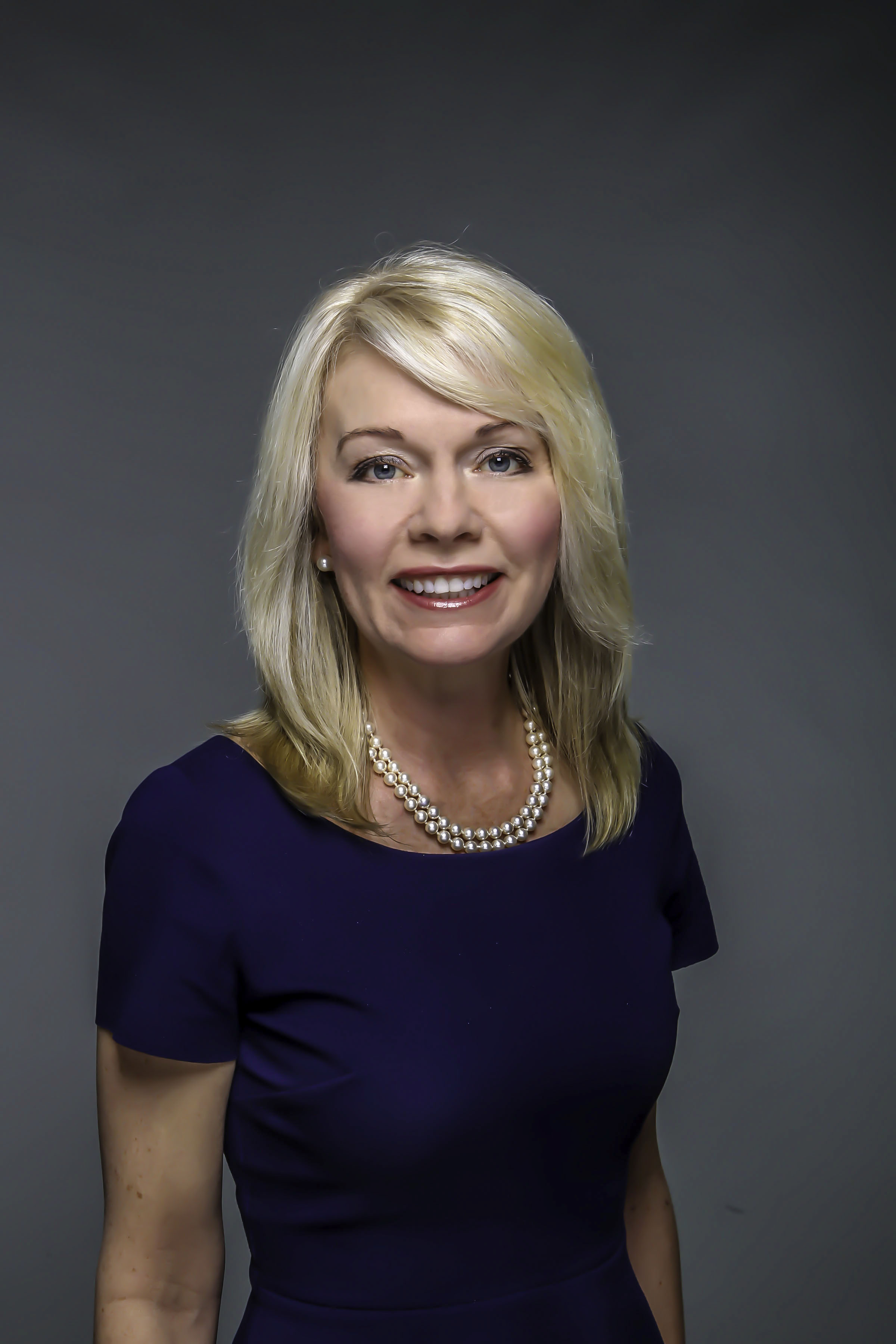
Minister of State for Social Development, Candice Bergen.

The last of the seven eternal truths of personal finance that ran in the Financial Post in June was “Don’t say no to free money from the government.”  After it ran, I heard from a spokesperson for the federal government’s Ministry of State for Social Development. He pointed out that it might have been appropriate to mention the RDSP or Registered Disability Savings Plan, which helps families with disabled family members save in a tax-efficient manner. I agreed it was an omission and offered to run the guest blog that follows. — JC

By Candice Bergen,

Special to the Financial Independence Hub

If you have a disability or if you have a child with a disability, you should know about the Registered Disability Savings Plan (RDSP).

The purpose of the plan is to help Canadians with disabilities and their families to save for the future. The federal government also provides generous grants and bonds to help with long-term savings if eligible.

Across Canada, approximately 100,000 people are already benefiting from the program; however, estimates show that there are still more than 400,000 people who are eligible but have yet to take advantage of this plan. That’s unfortunate because it’s very easy to set up an account. In fact, all you need is a Social Insurance Number, be a Canadian resident and qualify for the Disability Tax Credit.

Once an RDSP is set up, anyone—friends or family included—can contribute to it. You can open a RDSP at a participating financial institution, such as a bank or credit union.

You can contribute as much as you want to a RDSP each year, up to a lifetime limit of $200,000. The earnings from the Plan build tax-free until taken out of the plan.

Ottawa supplements RDSP in two ways

Continue Reading…